Visa Chargeback Reason Code 13.7: Cancelled Merchandise/Services
Almost always preventable. Learn how to defend against return and cancellation chargebacks with the right policy documentation and response strategy.
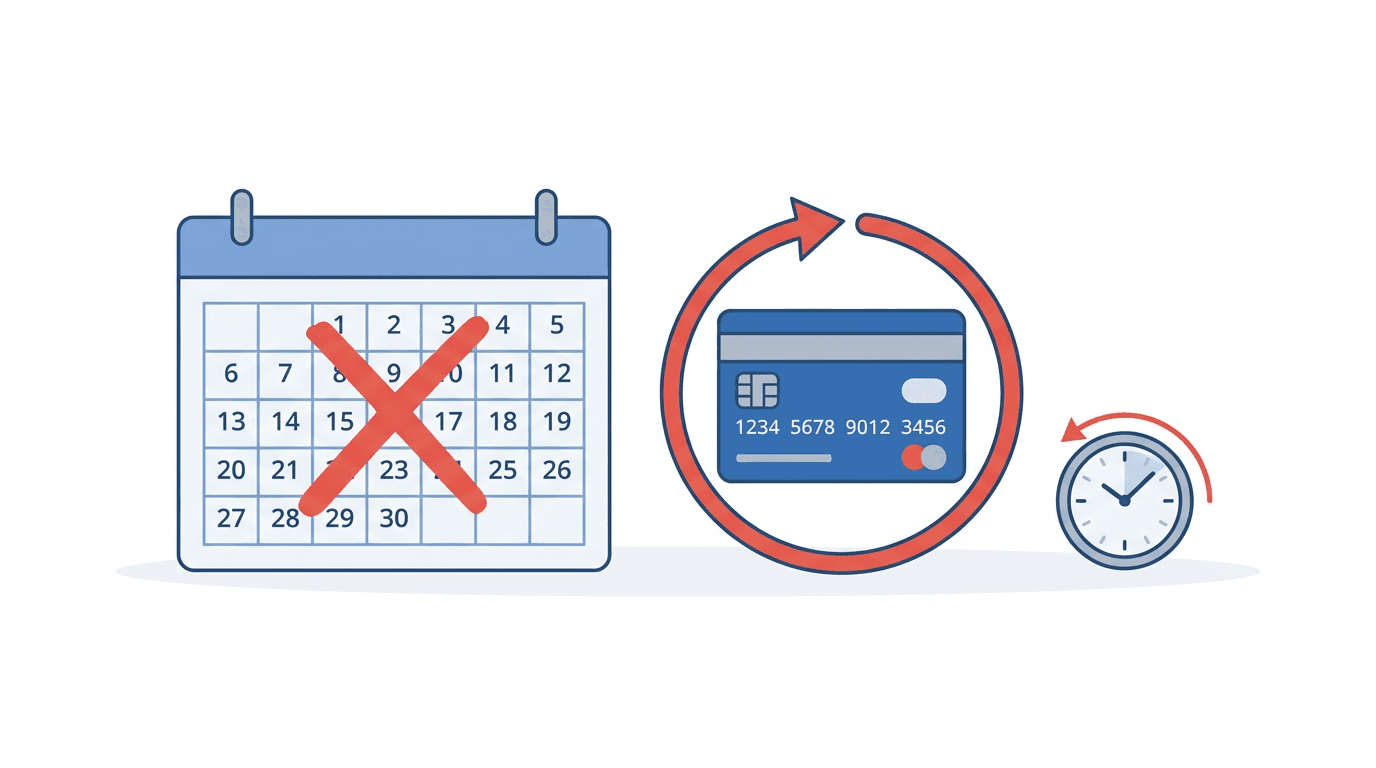
Quick Reference
- Code: 13.7
- Category: Consumer Disputes
- Description: Cancelled Merchandise/Services
- Legacy Code: Visa reason code 85, condition 2 (pre-VCR)
- Response Deadline: 30 days from chargeback processing date
- Filing Window: Up to 120 calendar days from transaction processing date or date of receipt (max 540 days)
- Applies To: Returned merchandise, cancelled services, or cancelled subscriptions
A customer returns a product or cancels a service and expects a refund. When that refund doesn't show up on their statement, they call their bank. That's how most Visa reason code 13.7 chargebacks start — and they're almost always preventable.
Reason code 13.7 is one of the more frustrating chargebacks for merchants because the underlying issue is often just a timing problem. You might be planning to issue the refund, or you might have already issued it but it hasn't posted yet. But by the time the chargeback hits your account, you've lost the chance to handle it on your own terms, and now you're dealing with fees, paperwork, and a hit to your chargeback ratio.
This guide covers what triggers 13.7 chargebacks, how to fight them when they're invalid, and — most importantly — how to prevent them from happening.
What Visa Reason Code 13.7 Actually Means
Reason code 13.7 is part of Visa's “Consumer Disputes” category and specifically covers situations where a cardholder claims they returned merchandise or cancelled a service but did not receive the expected credit.
This code is closely related to 13.6 (Credit Not Processed). The difference is that 13.6 is more general — the customer expected a credit for any reason and didn't get it. Code 13.7 is specifically tied to a return or cancellation event: the customer took an action (returned an item, cancelled a subscription, cancelled a service) and believes they're owed a refund that was never processed.
Before the Visa Claims Resolution update, this was legacy reason code 85, condition 2. If your systems or documentation reference that older code, it maps directly to 13.7.
Time Limits and Visa's Rules
The issuer can file a 13.7 chargeback within 120 calendar days of either the transaction processing date or the date the customer received the merchandise or services — whichever is later. The absolute outer limit is 540 calendar days from the original transaction processing date.
If the customer returned merchandise that arrived late, the issuer must wait at least 15 calendar days from the date the merchandise was returned before initiating the dispute. This waiting period exists to give you time to receive the return and process the refund.
For timeshare transactions, merchants have 14 calendar days after the customer's cancellation to process the credit. If you miss this window, the chargeback is likely valid.
Your response deadline is 30 days from the chargeback processing date.
Common Triggers for 13.7 Chargebacks
Slow refund processing. This is the number one cause. The customer returned the item or cancelled the service, and you acknowledged the return or cancellation, but the refund hasn't appeared on their statement yet. Maybe your returns team is backed up. Maybe the refund got stuck in your system. Whatever the reason, the customer sees the original charge still on their statement and calls their bank.
Refund issued but not yet posted. You processed the refund on your end, but it hasn't appeared on the customer's statement due to processing delays between your payment processor, the acquiring bank, and the issuing bank. The customer doesn't know the refund is in progress and files a dispute.
Return received but refund withheld. You received the returned merchandise but withheld the refund because the item was damaged, used, or returned outside your return window. If you didn't clearly communicate this to the customer, they'll file a chargeback expecting their money back.
No-return policy not clearly disclosed. You don't accept returns, but the customer didn't know that at the time of purchase. If your no-return policy wasn't prominently displayed during checkout and the customer didn't explicitly agree to it, you're vulnerable to this chargeback.
Subscription cancellation confusion. The customer believes they cancelled their subscription but continues to be charged. This could be because the cancellation didn't go through properly, because the customer cancelled after the billing date for the next cycle, or because the cancellation process was confusing.
Friendly fraud. The customer claims they returned merchandise they never actually sent back, or claims they cancelled a service they continued to use. This is harder to fight but not impossible if you have good records.
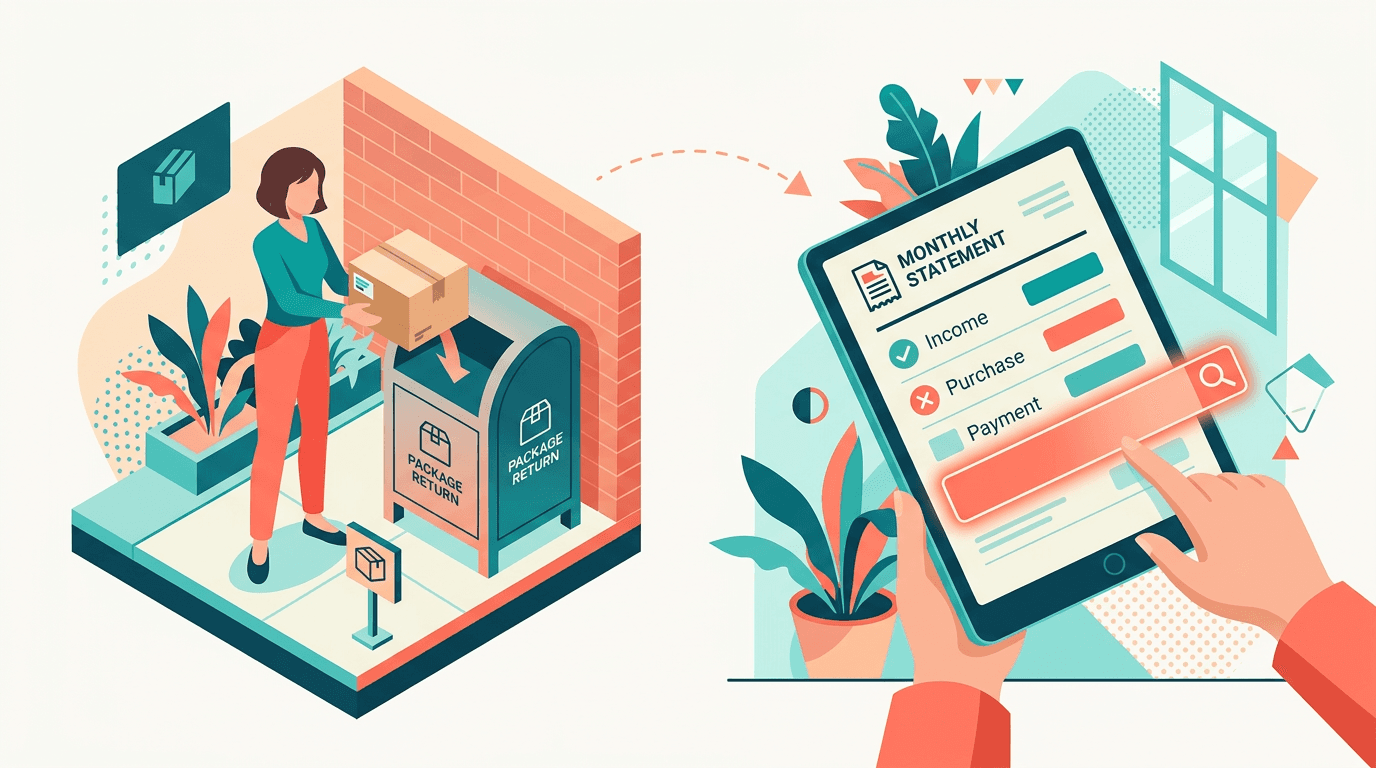
What Evidence You Need to Win
Your defense depends on why the chargeback was filed. Here are the main scenarios and the evidence each requires:
You Never Received the Returned Merchandise
If the customer claims they returned the product but you have no record of receiving it:
- Warehouse or fulfillment center receiving logs showing no return was received from this customer.
- Your return policy showing the customer must use a specific return process (e.g., request an RMA number, use a prepaid label) and evidence that they did not follow it.
- Carrier tracking for the return. If you provided a return shipping label, show that it was never scanned or used.
You Received the Return but Properly Refused It
If the customer returned something that violated your return policy:
- Your return or refund policy, clearly showing the conditions under which returns are accepted.
- Proof the policy was disclosed to the customer before purchase — a screenshot of your checkout page showing the policy near the purchase button, or the customer's agreement to your terms via a “click to accept” checkbox.
- Documentation of why the return was refused — photos of the damaged or used item, notes from your returns team, or communication with the customer explaining the refusal.
You Already Processed the Refund
If you issued the credit before the chargeback was filed:
- Refund transaction records showing the date, amount, and reference number of the credit.
- Payment processor confirmation that the refund was submitted to the cardholder's account.
- Timeline documentation showing the refund was processed before or around the time the chargeback was filed.
The Customer Continued Using the Service After Cancellation
For subscription-based services where the customer cancelled but kept using the product:
- Cancellation confirmation showing when the customer's cancellation was processed.
- Usage logs showing the customer continued to access the service after the cancellation date.
- Your subscription terms explaining that charges cover the current billing period through its end, even after cancellation.
Need help structuring your response? Use our free chargeback response letter template — it includes a format for cancellation and return disputes with labeled exhibit references.
How to Structure Your Response
Your response letter should follow a clear structure:
- Opening: Identify the dispute — order number, transaction date, amount, reason code 13.7 — and state that you are contesting the chargeback.
- Exhibit A: Your return/cancellation policy as it appeared to the customer at the time of purchase.
- Exhibit B: (Depending on scenario) Return receiving logs, refund documentation, or documentation of why the return was refused.
- Exhibit C: Communication records with the customer about the return, cancellation, or refund status.
- Exhibit D: (If applicable) Usage logs showing post-cancellation service use, or carrier tracking showing the return label was never used.
- Closing: Clearly state your request for the chargeback to be reversed, summarizing the key evidence.
For a template with real before/after examples, see our Chargeback Response Letter Guide.
Common Mistakes That Lose 13.7 Disputes
No documented return/cancellation policy. If you can't show that the customer agreed to your policy at the time of purchase, the bank will side with the cardholder.
Policy buried in Terms of Service. A return policy hidden deep in a legal document that nobody reads isn't considered “clearly disclosed.” Visa expects the policy to be visible on the checkout page or transaction receipt.
No records of the return (or non-return). If the customer says they sent the item back and you can't prove they didn't, you're at a disadvantage. Implement a returns system that tracks every incoming package.
Slow internal communication. Your returns department received the item and approved the refund, but the information didn't get to your chargeback team in time. Internal silos lose chargebacks.
Refund issued after chargeback filed. If you process the refund after the chargeback is already in progress, you can end up double-refunding the customer. Coordinate your refund and chargeback processes.
How to Prevent 13.7 Chargebacks
Process refunds fast. The single most effective prevention measure. When a customer returns a product or cancels a service, process the credit immediately. Don't batch refunds weekly. The faster the credit appears on the customer's statement, the less likely they are to call their bank.
Send refund confirmation emails. The moment you process a refund, send the customer an email confirming the credit amount, date processed, and expected timeframe for it to appear on their statement (typically 5-10 business days).
Make your return and cancellation policy visible. Display it clearly on your product pages, checkout page, and order confirmation emails. Require customers to check a box agreeing to the policy before completing the purchase.
Make cancellation easy. If you offer subscriptions, provide a clear, self-service cancellation option. Don't make customers call a phone number or email a support address to cancel. Friction in the cancellation process leads to 13.7 chargebacks.
Send cancellation confirmation immediately. When a customer cancels, send an instant confirmation email stating what was cancelled, the effective date, and whether any final charges apply.
Communicate proactively about refund timelines. If there's going to be a delay in processing a refund, tell the customer. A simple email saying “We received your return and your refund of $X will be processed within 3 business days” prevents most disputes.
Track return shipments. Provide prepaid return labels with tracking so you know exactly when a return is in transit and when it arrives at your warehouse.
Subscription Cancellations: A Special Case
Subscription-based businesses get hit particularly hard by 13.7 chargebacks. Here are the specific pitfalls and how to avoid them:
The “I thought I cancelled” problem. Customers often believe they've cancelled when they haven't. Maybe they closed the app but didn't go through the cancellation flow. The fix: make your cancellation flow unmistakably clear with a final confirmation screen and an immediate confirmation email.
The billing cycle gap. A customer cancels on the 15th, but their billing cycle renewed on the 12th. They see a charge after they thought they cancelled and file a dispute. The fix: send the cancellation confirmation email with explicit language about when the cancellation takes effect.
The silent churn problem. Customers who can't figure out how to cancel will simply call their bank and file a chargeback instead. A one-click cancel button on the account page eliminates this category of dispute almost entirely.
Free trial conversions. The most chargeback-prone moment in any subscription business is when a free trial converts to a paid subscription. The fix: send a reminder email 2-3 days before the trial converts, clearly stating the amount that will be charged and how to cancel.
For a complete evidence checklist, see our Chargeback Evidence Guide.
Related Reason Codes
Equivalent codes on other networks:
- Mastercard 4853 — Cardholder Dispute (includes “cancelled recurring transaction” sub-type)
- American Express C04 — Goods/Services Returned or Refused
- American Express C05 — Goods/Services Canceled
- Discover AP — Canceled Recurring
Within Visa's system:
- Visa 13.1 — Merchandise/Services Not Received
- Visa 13.2 — Canceled Recurring Transaction (specifically for recurring billing disputes)
- Visa 13.6 — Credit Not Processed (similar to 13.7 but for credits not tied to a return/cancellation)
FAQ
What's the difference between Visa 13.6 and 13.7?
Both involve a missing credit, but 13.7 is specifically triggered by a return of merchandise or cancellation of service. Code 13.6 is broader — it covers any situation where the cardholder expected a credit for any reason (a price adjustment, a loyalty reward, a partial refund for a complaint) and didn't receive it.
I issued the refund, but the customer filed a chargeback before it posted. What do I do?
Provide the refund transaction records showing the date you processed the credit and the reference number. The bank should be able to verify the credit is in progress. This is one of the easiest 13.7 chargebacks to win.
Can the customer file a 13.7 chargeback if my policy says “no refunds”?
They can still file, but you have a strong defense if you can show the no-refund policy was clearly disclosed and the customer agreed to it before the purchase. Provide screenshots of the policy on your checkout page and evidence of the customer's acceptance.
The customer says they returned the item, but I never received it. How do I prove a negative?
Show your warehouse receiving logs and note the absence of a return. If you provided a return shipping label, show that it was never used. If the customer used their own shipping, ask the bank to verify whether the customer has proof of return shipment.
My subscription customer cancelled but I already charged them for the next month. Is this valid?
It depends on your billing terms. If your terms clearly state that cancellation takes effect at the end of the current billing cycle and the customer agreed to those terms, the charge for the current cycle is valid. Provide the subscription agreement and the cancellation timestamp showing it occurred after the billing date.
Ready to fight your Visa 13.7 chargeback?
Upload your return records and policy documentation, and ChargebackWin's AI will generate a professional response letter tailored specifically to reason code 13.7.
Fight This Chargeback →Ready to Fight Your Chargeback?
Upload your evidence and get a professional response letter in under 60 seconds. Our AI analyzes your case and generates a dispute-specific rebuttal.
Fight My Chargeback