Visa Chargeback Reason Code 10.4: Other Fraud — Card-Absent Environment
The most common chargeback code for ecommerce merchants. Learn exactly what evidence you need, how to leverage CE 3.0, and how to structure a winning response.
Quick Reference
- Code: 10.4
- Category: Fraud
- Description: Other Fraud — Card-Absent Environment
- Legacy Code: Visa reason code 83 (pre-VCR)
- Response Deadline: 30 days from chargeback processing date
- Filing Window: Up to 120 calendar days from transaction processing date
- Applies To: Online, phone, and mail-order transactions
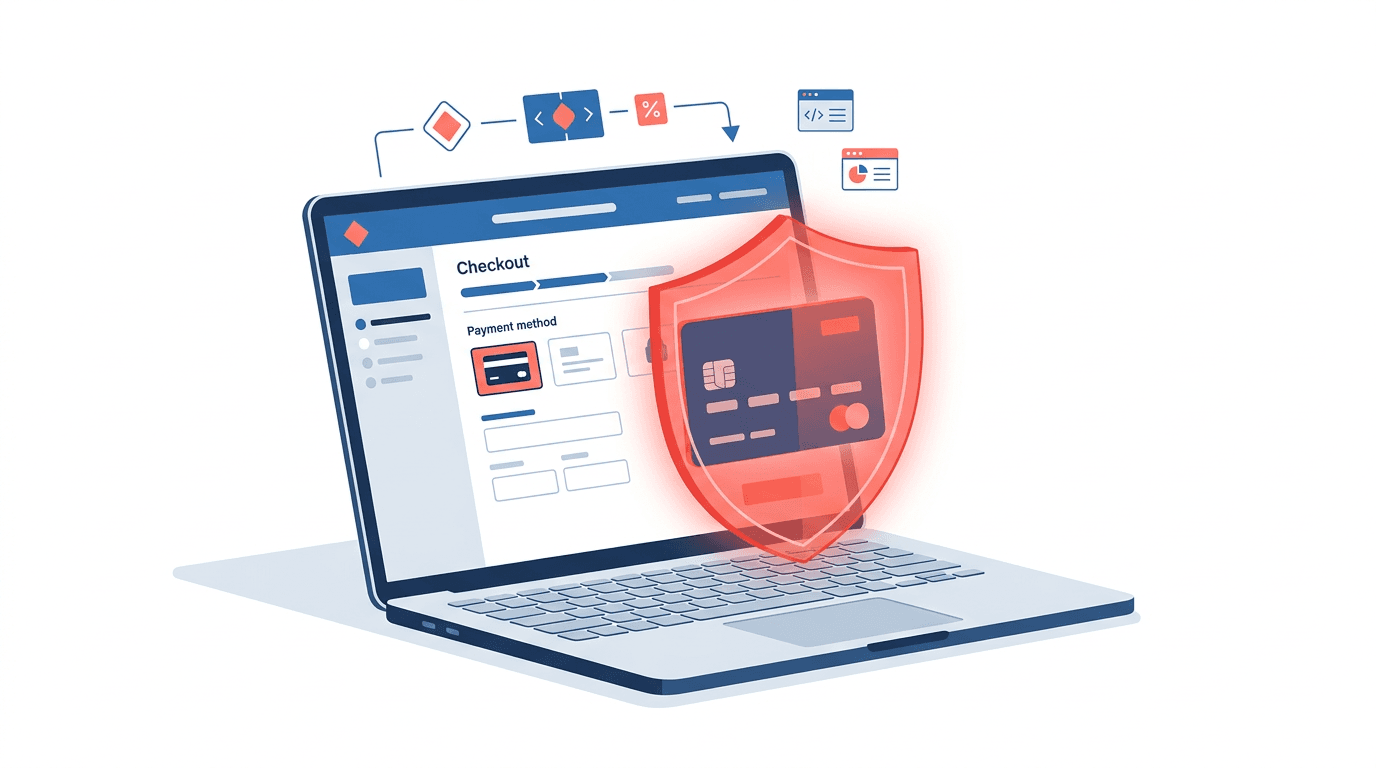
If you sell online, reason code 10.4 is probably going to be the chargeback you see the most. It is the single most common dispute code for ecommerce merchants on the Visa network, and it covers every scenario where a cardholder claims they did not authorize a card-not-present transaction — meaning any purchase made over the internet, by phone, or through mail order.
The problem is that “I didn't authorize this” can mean three very different things. Sometimes a stolen card was genuinely used by a fraudster. Sometimes the cardholder forgot they made the purchase, or didn't recognize your billing descriptor. And sometimes the cardholder received exactly what they ordered and is simply lying to get their money back. Visa applies the same reason code to all three scenarios, and it's your job to figure out what actually happened and respond accordingly.
This guide breaks down everything you need to know about Visa reason code 10.4 — what triggers it, what evidence you need, how to structure your response, and how to prevent these chargebacks from happening in the first place.
What Visa Reason Code 10.4 Actually Means
Reason code 10.4 sits under Visa's “Fraud” category. The official description is “Other Fraud — Card-Absent Environment,” which tells you two things: the transaction happened without the physical card being present, and the cardholder is claiming they never authorized it.
This code applies exclusively to card-not-present (CNP) transactions. If someone disputes a transaction that happened at a physical terminal with a chip or swipe, that falls under different codes (10.1, 10.2, or 10.3). Code 10.4 is specifically for situations where the card details were entered manually — on your website checkout, over the phone, or via a mail-order form.
The cardholder is essentially telling their bank: “I see this charge on my statement, but I never made this purchase.” The issuing bank then files the chargeback under 10.4, and the burden shifts to you to prove the transaction was legitimate.
Before the Visa Claims Resolution (VCR) initiative, this was known as reason code 83. If you're working with older documentation or systems that still reference legacy codes, 83 and 10.4 are the same thing.
Common Triggers for 10.4 Chargebacks
Understanding why these chargebacks happen is the first step toward fighting them effectively. Here are the most common scenarios:
True fraud. A criminal obtained stolen card credentials — through a data breach, phishing, or card skimming — and used them to make a purchase on your site. The real cardholder has no idea who you are or what the charge is for. This is genuine unauthorized use, and unfortunately, if you don't have strong authentication in place, you'll have a very hard time winning this dispute.
Friendly fraud. The cardholder made the purchase themselves but disputes it anyway. Maybe they have buyer's remorse. Maybe they want to keep the product without paying. Maybe a family member made the purchase and the cardholder assumes it must be fraud. Industry data suggests that friendly fraud accounts for a significant portion of all 10.4 disputes — some estimates put it at 40-70% depending on the merchant category.
Unrecognized billing descriptor. The cardholder genuinely doesn't recognize the charge on their statement because your billing descriptor doesn't match your brand name. If your company is “SunnyDay Products” but the statement shows “SDPROD LLC,” the cardholder might panic and call their bank. This is one of the most preventable causes of 10.4 chargebacks.
Family fraud. A spouse, child, or other household member made the purchase without the primary cardholder's knowledge. The cardholder sees an unfamiliar charge and disputes it. Technically, the transaction was authorized by someone with access to the card, but the cardholder doesn't know that.
Merchant processing errors. You charged the wrong card, processed a duplicate transaction, or charged a card after the customer already paid through another method. The cardholder sees a charge they didn't intend and disputes it as unauthorized.

Visa's Rules and Time Limits
There are specific rules governing when and how a 10.4 chargeback can be filed:
The issuing bank must file the chargeback within 120 calendar days of the transaction processing date. After that window closes, the chargeback can no longer be initiated under this code.
Once you receive the chargeback notification, you have 30 days to respond with your compelling evidence. Missing this deadline means the chargeback stands by default — even if you have ironclad proof the transaction was legitimate. Set up alerts and workflows so that chargebacks never sit unnoticed in your processor's dashboard.
What Evidence You Need to Win
Fighting a 10.4 chargeback is all about proving that the real cardholder authorized the transaction, or at minimum, that the evidence strongly links the cardholder to the purchase. Here's what Visa considers compelling evidence for this code:
Mandatory Evidence (provide at least one)
3D Secure authentication. If the cardholder was authenticated through Visa Secure (formerly Verified by Visa), this is your strongest piece of evidence. Provide the authentication result showing the cardholder verified their identity. In many cases, if 3D Secure was successfully completed, the liability shifts to the issuing bank and the chargeback should not have been filed in the first place.
CVV2 verification. If you requested the CVV2 code during checkout and received a match response, provide the authorization records showing this. If the response indicated the issuer doesn't participate in CVV2, document that too — it shows you made the effort.
AVS match. Address Verification Service results showing the billing address matched the address on file with the issuer. A full match (both street and zip code) is strongest, but even a partial match helps your case.
Compelling Evidence 3.0 (CE 3.0)
This is Visa's newer framework specifically designed for fighting friendly fraud on 10.4 chargebacks. Under CE 3.0, if you can show that the same payment credential was used in at least two previous undisputed transactions that share at least two of the following data points with the disputed transaction, Visa treats this as strong evidence of cardholder participation:
- IP address of the device used
- Device ID or device fingerprint
- Shipping address
In other words: if the same card, from the same device, at the same IP address, made purchases before without any dispute — and then suddenly claims fraud on a new purchase — CE 3.0 helps you prove this is likely friendly fraud, not true fraud.
To use CE 3.0 effectively, you need to be collecting and storing IP addresses, device fingerprints, and shipping addresses for every transaction, and those earlier transactions must have been processed at least 120 days before the disputed transaction without being disputed.
How to implement CE 3.0 in practice: Most modern payment processors (Stripe, Shopify Payments, etc.) already capture IP addresses and can pass device data. The key is making sure this data is stored in a way you can retrieve it when a dispute comes in.
The CE 3.0 success rate advantage is significant. Before CE 3.0, merchants fighting friendly fraud on 10.4 had limited options and low win rates. With CE 3.0, merchants who can produce matching historical data are seeing substantially improved outcomes because the evidence directly contradicts the “I didn't do it” claim.
Supporting Evidence
Beyond the mandatory items, strengthen your case with:
- Order confirmation and communication records. Emails or messages sent to the cardholder confirming the order, including shipping notifications and delivery updates.
- Delivery confirmation. Tracking information showing the item was delivered to the cardholder's address, ideally with a signature.
- Customer account activity. If the buyer has an account on your site, provide login history, browsing activity, and previous order history showing consistent behavior.
- IP address and geolocation data. Show that the purchase was made from a location consistent with the cardholder's known address.
- Prior transaction history. Undisputed transactions from the same card and device demonstrate a pattern of legitimate use.
Need help structuring your response? Use our free chargeback response letter template — it includes a format tailored to fraud reason codes like 10.4 with labeled exhibit references.
If You Already Issued a Refund
If you already processed a credit to the cardholder's account before the chargeback was filed, provide documentation proving the refund — transaction ID, amount, date, and confirmation that it was applied. This should invalidate the chargeback entirely.
How to Structure Your Response Letter
A well-organized response dramatically improves your chances. Bank reviewers process hundreds of disputes; make yours easy to evaluate.
Start with a clear header identifying the dispute: your merchant name, the case ID, transaction date, and amount. In your opening paragraph, state that you are contesting Visa reason code 10.4 and briefly summarize why the chargeback is invalid.
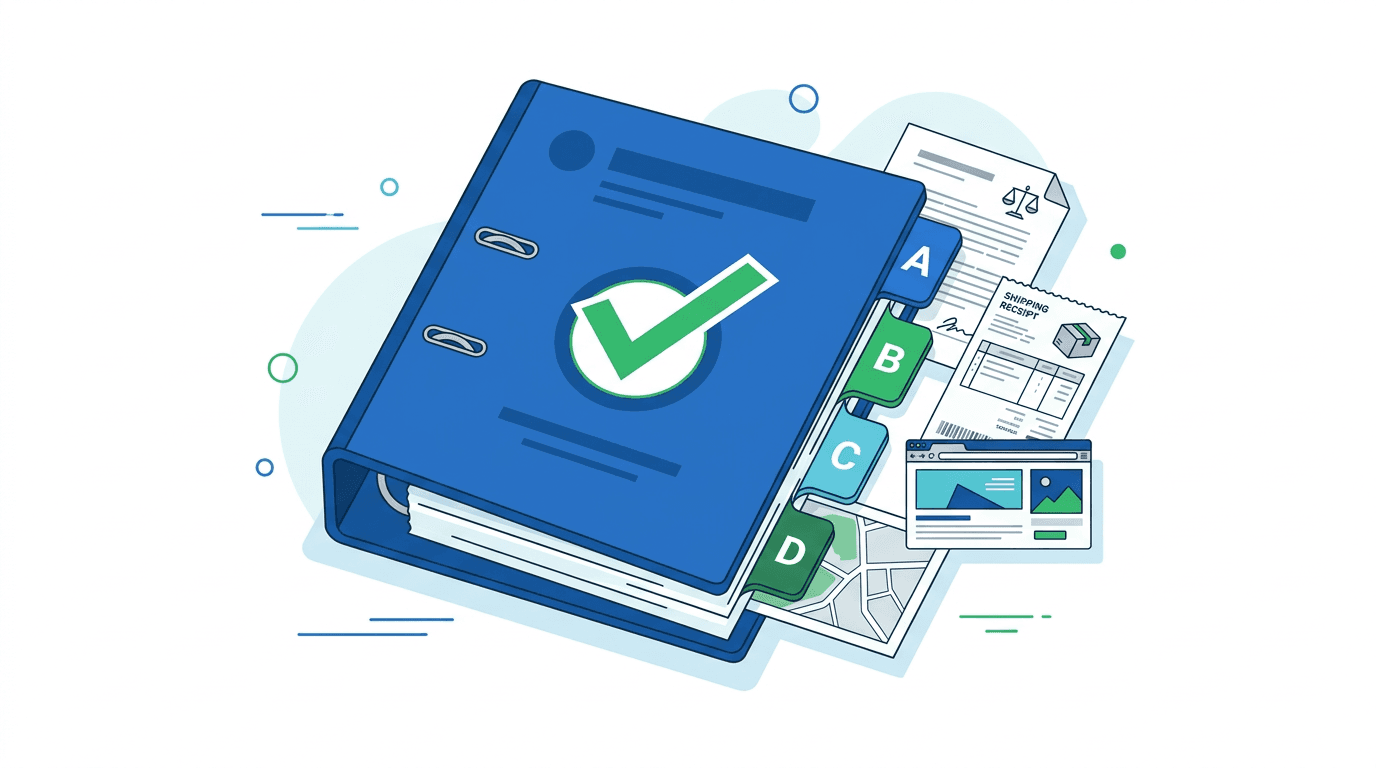
Then present your evidence in labeled exhibits:
- Exhibit A: Transaction authorization records (AVS result, CVV2 match, 3D Secure result)
- Exhibit B: Order details (what was purchased, order confirmation sent to cardholder's email)
- Exhibit C: Delivery proof (tracking number, carrier confirmation, delivery date)
- Exhibit D: Customer account data (account creation date, login history, previous orders)
- Exhibit E: CE 3.0 data (prior undisputed transactions with matching IP/device/address)
Close with a clear statement requesting the chargeback be reversed based on the evidence provided.
For a detailed walkthrough of response letter structure and a free template, see our Chargeback Response Letter Guide.
Common Mistakes That Lose 10.4 Disputes
Submitting generic responses. A two-sentence reply saying “the customer made this purchase” with no supporting evidence will lose every time. Bank reviewers need documentation, not assertions.
Missing the 30-day deadline. This happens more often than you'd think, especially for merchants who don't check their dispute dashboard daily. Once the deadline passes, you lose automatically.
Not using CE 3.0 when you have the data. If you have prior undisputed transactions from the same card with matching device or IP data, this is your most powerful weapon against friendly fraud. Many merchants have this data but don't realize they can use it.
Providing irrelevant evidence. For a fraud dispute, the bank wants proof of authorization and cardholder identity verification. Product photos, marketing materials, or Terms of Service aren't helpful here.
Emotional language. Calling the customer a fraud or complaining about the unfairness of chargebacks makes you look unprofessional. Stick to facts and evidence.
How to Prevent 10.4 Chargebacks
Enable 3D Secure on all transactions. This is the single most impactful thing you can do. When 3D Secure authentication succeeds, liability for fraud shifts from you to the issuing bank.
Require AVS and CVV matching. Set your payment gateway to decline transactions where the AVS or CVV doesn't match. Yes, you might lose some legitimate sales, but you'll prevent a lot of fraud.
Use a recognizable billing descriptor. Make sure the name that appears on the cardholder's statement clearly identifies your business. Include a customer service phone number in the descriptor so confused cardholders can call you instead of their bank.
Implement fraud screening tools. Use machine learning-based fraud detection that analyzes device fingerprints, IP geolocation, purchase velocity, and behavioral patterns. Flag high-risk orders for manual review before fulfilling them.
Collect and store transaction data. Log IP addresses, device IDs, and shipping addresses for every order. This data is essential for CE 3.0 defense and for identifying patterns of legitimate versus fraudulent behavior.
Send clear order confirmation emails immediately. Include the order details, your business name, and a direct link to contact your customer service. Many “fraud” disputes start because the customer simply didn't recognize the charge.
Make customer service easy to reach. If a cardholder can quickly reach you and get a question answered or a refund processed, they're far less likely to call their bank instead. Many 10.4 chargebacks happen simply because the customer couldn't figure out how to contact you.
Monitor your chargeback ratio closely. Visa's Dispute Monitoring Program (VDMP) and Fraud Monitoring Program (VFMP) impose penalties on merchants who exceed threshold ratios. Track your chargeback-to-transaction ratio monthly and take action if it trends above 0.65%.

For a complete evidence checklist organized by dispute type, see our Chargeback Evidence Guide.
Related Reason Codes
If you're dealing with fraud-related chargebacks on other networks, these are the equivalent codes:
- Mastercard 4837 — No Cardholder Authorization (the Mastercard equivalent for unauthorized transactions)
- American Express F29 — Card Not Present
- Discover UA02 — Fraud, Card Not Present
Within Visa's own system, other fraud codes you should know:
- Visa 10.1 — EMV Liability Shift Counterfeit Fraud (card-present, counterfeit chip)
- Visa 10.2 — EMV Liability Shift Non-Counterfeit Fraud (card-present, non-counterfeit)
- Visa 10.3 — Other Fraud, Card-Present Environment
- Visa 10.5 — Visa Fraud Monitoring Program
FAQ
How is Visa reason code 10.4 different from 10.3?
Code 10.3 covers fraud in card-present environments — the physical card was used at a terminal. Code 10.4 is exclusively for card-absent transactions (online, phone, mail order). The evidence requirements are different because card-present transactions involve physical verification methods that card-absent transactions do not.
What is Compelling Evidence 3.0 and how does it help?
CE 3.0 is Visa's framework that allows merchants to use historical transaction data to fight friendly fraud. If you can show that the disputed card was used in two prior undisputed transactions with matching device or IP data, it creates strong evidence that the real cardholder made the purchase. This was introduced in April 2023 and significantly improved win rates for merchants who collect the right data.
Can I win a 10.4 chargeback if the transaction was actual fraud?
It depends on your authentication setup. If 3D Secure was completed successfully, the liability sits with the issuer, not you, and the chargeback should be reversed. Without 3D Secure, winning a true fraud case is extremely difficult because you can't prove the real cardholder was the one who entered the card details.
What's the average win rate for 10.4 chargebacks?
Win rates vary significantly based on the evidence available. Merchants with 3D Secure, CE 3.0 data, and delivery confirmation can see win rates above 50%. Merchants who submit minimal evidence typically win less than 20% of the time. The quality and organization of your response makes an enormous difference.
I already refunded the customer. Why am I still getting a chargeback?
This happens when the refund hasn't posted to the cardholder's account by the time they call their bank, or when the cardholder doesn't realize the refund was processed. Provide documentation of the refund including the date, amount, and transaction reference. This should resolve the dispute.
Ready to fight your Visa 10.4 chargeback?
Upload your transaction details and evidence, and ChargebackWin's AI will generate a professional response letter with labeled exhibits, tailored specifically to reason code 10.4 — in under 60 seconds.
Fight This Chargeback →Ready to Fight Your Chargeback?
Upload your evidence and get a professional response letter in under 60 seconds. Our AI analyzes your case and generates a dispute-specific rebuttal.
Fight My Chargeback